Source Meat Mixing Machine for Sausage, Meat Processing, and Vegetable Prep
Explore 30 available Meat Mixing Machine options with varying capacities from 50L to 170L and power ratings up to 1.5kw. Buyers can compare specifications including voltage, material grade, and batch capacity to find suitable equipment for meat processing plants.
Key considerations
Products List


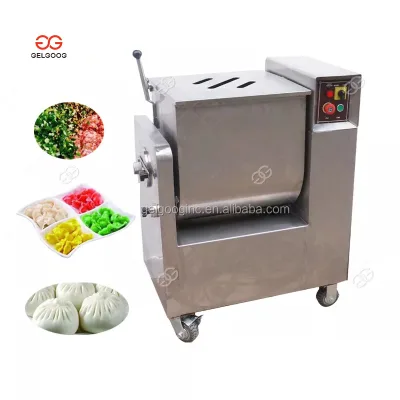
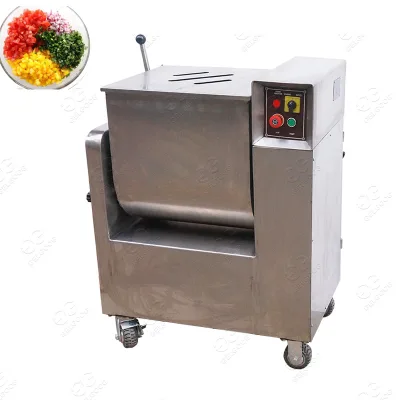
Vegetable/Meat Mixing Machine|Sausage Used Meat Mixer|Meat Mixer Machine
$988.00 - $1099.00
MOQ: 1 sets


Vacuum Meat Blender Meat Mixer Meat Stirring Machine Meat Blending Machine
$11900.00 - $15000.00
MOQ: 1 pc


Easy Operation Vacuum Meat Mixing Machine / Meat Mixer / Sausage Meat Mixer
$3500.00 - $14000.00
MOQ: 1 Pieces
Comprehensive Sourcing Guide
Meat Mixing Machine Sourcing Guide
Sourcing a Meat Mixing Machine requires a careful balance between technical capability and commercial reliability, as these machines are critical to the consistency and safety of processed meat products. The market offers a variety of units, ranging from small-scale tumblers to high-capacity industrial mixers, each designed to meet specific production volumes and material handling needs. Buyers must navigate a landscape where specifications such as voltage, power consumption, and tank capacity vary significantly between models, necessitating a thorough review of technical data before committing to a purchase. The primary objective is to secure equipment that not only meets immediate processing requirements but also aligns with long-term operational efficiency and maintenance standards.
This guide provides a structured approach to evaluating meat mixing machines based on observed market signals and essential procurement criteria. It focuses on verifying technical specifications, understanding cost drivers, and assessing supplier qualifications to mitigate risk. By adhering to a disciplined evaluation process, procurement teams can ensure that the selected machinery supports their production goals without compromising on safety or quality. The following sections detail the key areas of focus, including product scope, technical verification, compliance, commercial terms, supplier qualification, and long-term maintenance considerations.
Product Scope and Observed Listing Signals
The current market for meat mixing machines includes a diverse range of equipment, from vacuum tumblers to high-capacity mixers designed for sausage production and general meat processing. Observed listings indicate a wide price range, reflecting differences in capacity, material quality, and automation levels. For instance, some models are specified with a tank capacity of 70 liters and a batch capacity of 32 kilograms, while others offer larger volumes, such as 170 liters or 150 liters per time. These variations directly impact the machine's suitability for different production scales, from small artisanal operations to large industrial plants. Buyers should carefully match the observed capacity metrics with their actual throughput requirements to avoid underutilization or bottlenecks.
Material composition is another critical signal, with many listings highlighting the use of stainless steel, particularly 304 grade, which is essential for food safety and corrosion resistance. The observed data also points to a prevalence of electric power sources, with voltage options including 220V and 380V, catering to different regional electrical standards. Additionally, features such as automatic grading and customization options are frequently advertised, indicating a trend toward more versatile and adaptable machinery. Buyers should verify these attributes against their specific operational needs, ensuring that the machine's design supports the types of raw materials they handle, such as vegetables and meat, without compromising hygiene or efficiency.
Technical Specifications to Verify
Voltage and power consumption are fundamental technical parameters that must be verified to ensure compatibility with the buyer's facility infrastructure. Observed listings show a range of voltage options, including 220V and 380V, with power ratings varying from 0.75kW to 1.5kW. It is crucial to confirm the exact voltage requirement for each model, as mismatched electrical specifications can lead to equipment failure or safety hazards. Additionally, the power rating should be assessed in the context of the machine's capacity and intended workload to ensure it can handle the required volume without overheating or excessive energy consumption. Buyers should also inquire about the frequency, such as 50Hz, to ensure alignment with local power grids.
Capacity and physical dimensions are equally important for planning production layout and workflow. Listings indicate tank capacities ranging from 50 liters to 170 liters, with batch capacities varying accordingly. The physical dimensions of the machines, such as 9261118mm or 12076136mm, must be considered in relation to the available floor space and access points in the processing facility. Furthermore, the weight of the equipment, which can range from 166kg to 237kg, affects installation requirements and floor load-bearing capacity. Buyers should request detailed dimensional and weight specifications for each model to ensure proper integration into their existing production lines.
Compliance and Safety Documentation
Food safety compliance is a non-negotiable aspect of sourcing meat mixing machines, requiring verification of material certifications and construction standards. The use of 304 stainless steel is a common feature in high-quality machines, but buyers should request documentation to confirm the grade and quality of the steel used in contact with food products. This ensures resistance to corrosion and ease of cleaning, which are critical for preventing contamination and maintaining hygiene standards. Additionally, buyers should inquire about any relevant food safety certifications held by the manufacturer, such as ISO or HACCP compliance, to ensure the equipment meets international food safety regulations.
Electrical safety and operational safeguards are also essential components of compliance. Buyers should verify that the machines are equipped with appropriate safety features, such as emergency stop buttons, protective guards, and overload protection. Documentation should confirm that the electrical components meet local and international safety standards, including proper grounding and insulation. Furthermore, the warranty terms, often listed as one year, should be reviewed to understand the coverage for parts and labor, ensuring that any defects or failures are addressed promptly. Buyers should also consider the availability of spare parts and technical support to minimize downtime in case of maintenance issues.
Cost Drivers and Commercial Terms
The cost of a Meat Mixing Machine is influenced by several factors, including capacity, material quality, and customization options. Observed listings show a wide price range, reflecting the diversity of available models and their respective features. Higher-capacity machines and those made from premium materials, such as 304 stainless steel, typically command higher prices. Additionally, customization options, such as specific voltage configurations or tailored dimensions, can increase the cost. Buyers should request detailed quotes that break down the cost of the machine, accessories, and any customization fees to ensure transparency and avoid hidden charges.
Commercial terms, including payment methods, shipping, and warranty, also play a significant role in the total cost of ownership. Listings indicate that the minimum order quantity (MOQ) is often one set, providing flexibility for buyers who need to procure single units. However, buyers should negotiate favorable payment terms, such as partial upfront payment and balance upon delivery, to mitigate financial risk. Shipping costs and lead times should also be clarified, as these can vary depending on the supplier's location and the buyer's destination. Additionally, the warranty period, typically one year, should be clearly defined, including the scope of coverage and the process for claiming warranty services.
Supplier Qualification and Quality Control
Supplier qualification is a critical step in ensuring the reliability and quality of the Meat Mixing Machine. Buyers should verify the supplier's business credentials, including their registration, export history, and customer reviews. Gold supplier status, as mentioned in some listings, can be an indicator of a reputable supplier, but it should be corroborated with independent verification. Additionally, buyers should assess the supplier's production capacity and lead times to ensure they can meet the buyer's delivery requirements. Requesting references from previous customers can provide valuable insights into the supplier's performance and after-sales support.
Quality control processes should be thoroughly evaluated to ensure the machine meets the specified standards. Buyers should inquire about the supplier's quality assurance procedures, including material inspections, assembly checks, and final testing. Requesting a pre-shipment inspection report or arranging a third-party inspection can provide additional assurance of the machine's quality. Furthermore, buyers should verify the supplier's ability to provide technical support and training, which are essential for proper operation and maintenance of the equipment. Establishing a clear communication channel with the supplier can help address any issues that arise during installation or operation.
Long-Term Procurement Checks
Long-term procurement success depends on the supplier's ability to provide consistent quality and reliable after-sales support. Buyers should establish a performance evaluation framework to monitor the machine's reliability, maintenance needs, and overall performance over time. Regular feedback from the operational team can help identify any recurring issues or areas for improvement. Additionally, buyers should maintain a close relationship with the supplier to ensure timely access to spare parts and technical assistance. This proactive approach can help minimize downtime and extend the lifespan of the equipment.
Continuous improvement and adaptation to changing market conditions are also essential for long-term procurement success. Buyers should stay informed about advancements in meat mixing technology and industry best practices to ensure their equipment remains competitive. Regularly reviewing and updating procurement strategies can help identify new opportunities for cost savings and efficiency improvements. Furthermore, buyers should consider the environmental impact of their procurement decisions, such as energy efficiency and waste reduction, to align with sustainability goals. By adopting a holistic approach to procurement, buyers can ensure their meat mixing machines continue to meet their operational needs and contribute to their business success.
FAQs
What is the typical tank capacity for a Meat Mixing Machine?
The tank capacity varies by model, with common options including 70L, 150L, and 170L volumes. These capacities support batch processing ranging from 32kg to 70kg per cycle. Buyers should select a volume that aligns with their specific production throughput requirements and facility space constraints.
Can the Meat Mixing Machine be customized for specific needs?
Yes, customization is available for these machines to meet specific operational requirements. Manufacturers offer tailored solutions to ensure the equipment integrates seamlessly into existing production lines. Buyers can request modifications to suit particular processing workflows or facility layouts.
What voltage options are available for the Meat Mixing Machine?
The machines support multiple voltage configurations, including 220V and 380V at 50Hz. This flexibility allows the equipment to operate in various regional electrical standards. Buyers must verify their local power supply compatibility before placing an order to ensure safe and efficient operation.
What material is used to construct the Meat Mixing Machine?
The primary construction material is 304 stainless steel, ensuring durability and hygiene. This material is resistant to corrosion and easy to clean, meeting food safety standards. The automatic grade and electric power source further enhance operational efficiency and consistency in meat processing applications.
What is the minimum order quantity for a Meat Mixing Machine?
The minimum order quantity is typically one set, allowing for flexible procurement. This low MOQ enables buyers to test equipment performance before committing to larger volumes. It is suitable for small-scale processors or those evaluating new machinery for their facilities.
How is the Meat Mixing Machine packaged for shipping?
The machine is packaged in wooden cases, often fumigation-free, to meet export standards. This robust packaging protects the equipment during transit and ensures it arrives in new condition. The packing dimensions vary by model, so buyers should confirm specific crate sizes for logistics planning.